

Introduction
The Hall of Legends is Riot Games’ way of honoring the best professional League of Legends players while also creating one of the most exclusive skin lines in the game. It’s both an esports hall of fame and a premium cosmetic event.
The first inductee was Lee “Faker” Sang-hyeok in 2024, celebrated with Immortalized Legend Ahri. A year later, Riot honored Jian “Uzi” Zi-Hao in 2025, introducing Immortalized Legend Kai’Sa and a supporting Risen Legend Vayne.
Read more about each event here:
These events aren’t just about flashy cosmetics. They’re also about legacy, storytelling, and sometimes controversy. Below, we’ll break down what the Hall of Legends means in esports, how it works in-game, and why these skins have become a hot topic in the League community.
The Concept of the Hall of Legends
Esports Hall of Fame
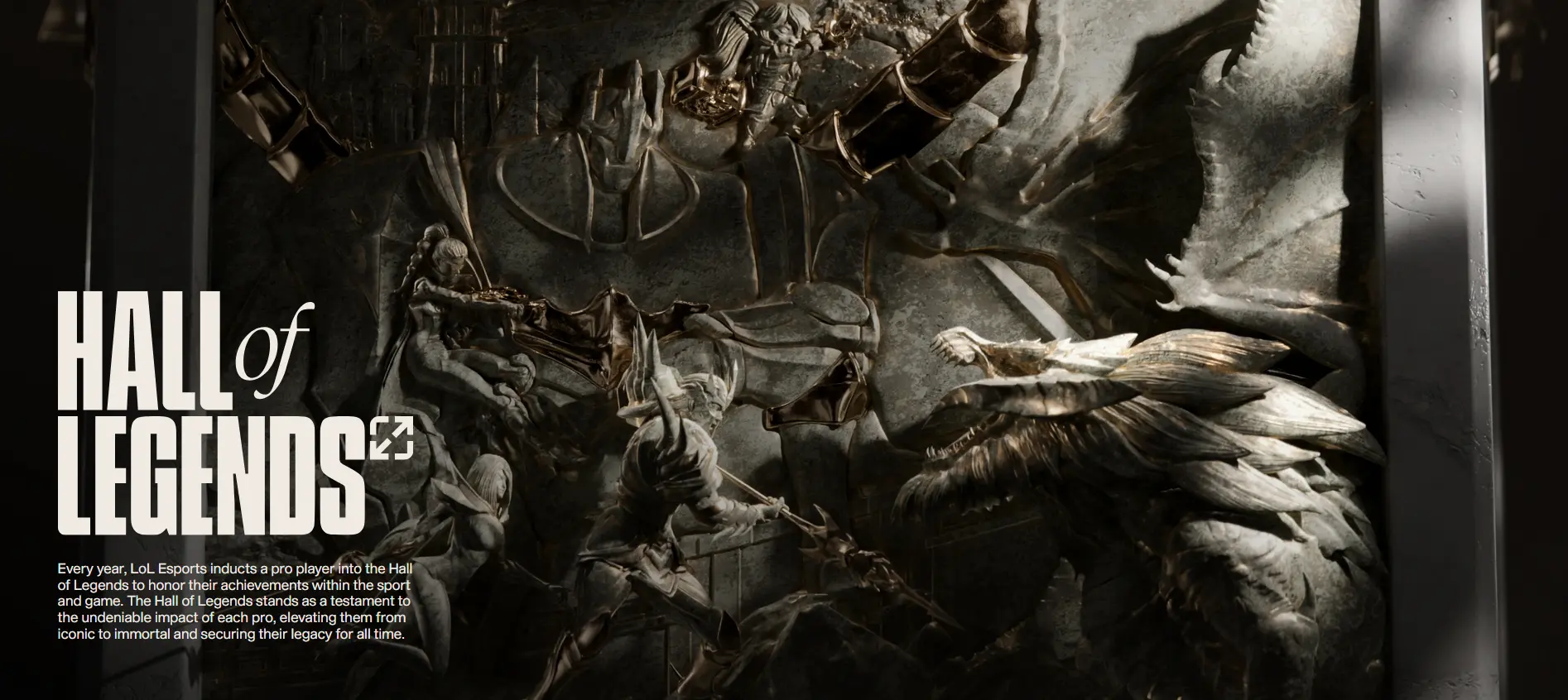
At its core, the Hall of Legends is LoL Esports’ hall of fame. Riot created it to celebrate pro players who have shaped the game’s competitive history. To qualify, a player must:
- Compete in Tier 1 leagues (LCK, LPL, LEC, LCS, plus historic leagues like OPL, TCL, LLA, etc.).
- Have five or more years of Tier 1 experience.
- Be either active or retired, meaning even current stars can be recognized.
Each year, Riot inducts one legendary pro player. Their induction is paired with in-game skins and content designed around their career. This connects the competitive scene with the in-game experience, allowing fans to celebrate their heroes directly on the Rift.
By signing off on these skins, pro players get a share of the revenue from each sale. We don’t know the exact numbers, but it’s likely similar to Worlds skins, where 25% of sales go straight to the team. How much a player personally earns depends on the contract they’ve signed with their team.
This time, though, it’s a little different. The Hall of Legends skins are made for individual players, not teams. That means teams might not get anything unless the player has a private agreement with them. If that happens, the money would flow back through the player’s deal, not through Riot directly.
In-Game Skins and Events
The Hall of Legends isn’t just an award—it’s also a skin line with heavy lore. Riot tied the event to a mythological story where champions undergo divine trials to gain power.
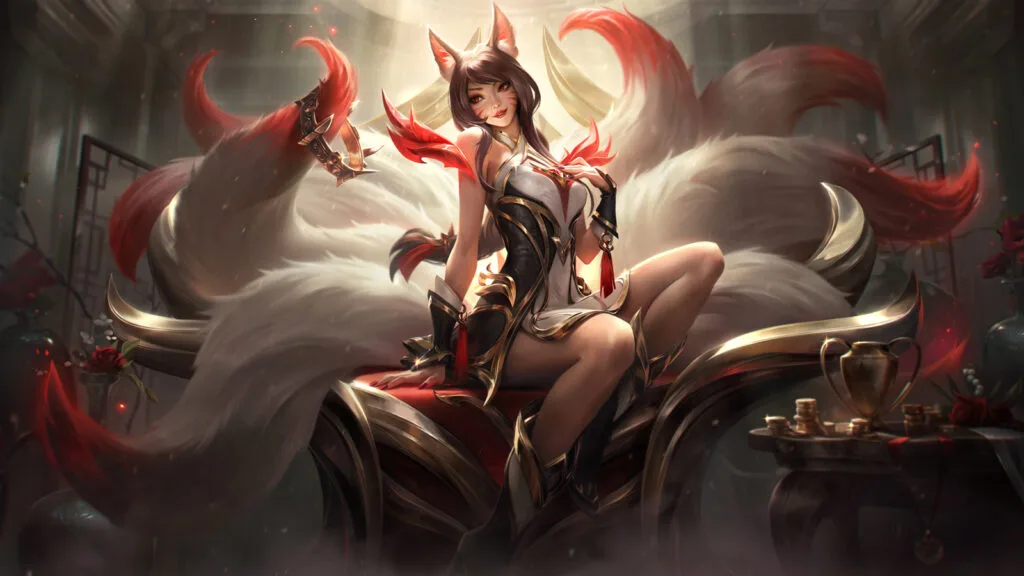
- Risen Legend Skins: Legendary-tier, representing champions who have completed the gods’ trials.
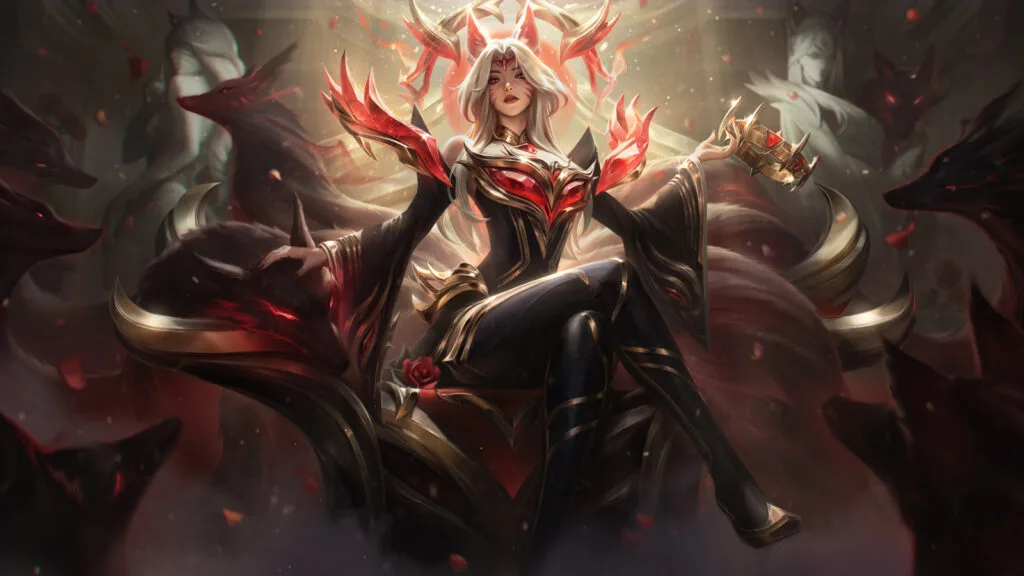
- Immortalized Legend Skins: Transcendent-tier, exclusive collector’s skins priced around $500 for the most expensive version. These skins represent champions who have ascended beyond mortal limits, mirroring the real-world pro being honored.
This dual system keeps casual fans engaged with more affordable bundles while also catering to collectors who want rare, time-limited items.
Lore Background
Riot gave the Hall of Legends universe its own mythology. According to the lore:
- Long ago, the gods of myth sealed their strength inside four Shards of the Risen:
- Chaos
- Harmony
- Patience
- Vigor
- Warriors seeking eternal recognition must complete trials linked to these shards. Success grants them the title of Risen Legend, while ultimate mastery transforms them into Immortalized Legends.
This lore bridges the pro players’ achievements with the skins. Just as Faker and Uzi proved themselves against the best, champions like Ahri and Kai’Sa “transcend” within the Hall of Legends story.
It’s a neat way of blending real-world esports history with League’s fantasy world, even if the execution sometimes raises eyebrows—especially when the chosen champion doesn’t perfectly match the player’s legacy.
Champions and Their Roles
The Hall of Legends isn’t tied to every champion in the game. Riot picks a small set of champions to embody the trials and rewards of becoming a legend. Each skin comes with unique lore that ties back to the gods, the shards, and the concept of ascension.
Ahri
- Risen Legend Ahri: Completes her trials with grace and resilience. She represents a fighter who overcomes failure to achieve recognition from the gods.
- Immortalized Legend Ahri: Her transcended form, tied to Faker’s induction. She bears the seal of the Unkillable Demon King, reflecting Faker’s long-standing nickname.
Kai’Sa
- Risen Legend Kai’Sa: Selected for her conviction and determination. She is framed as a hunter who must now control the power she’s been granted.
- Immortalized Legend Kai’Sa: Tied to Uzi’s induction in 2025. This version emphasizes her role as the Relentless Hunter, showing Uzi’s legacy as an unstoppable ADC.
- Controversy: Uzi is most famous for his mastery of Vayne, not Kai’Sa. Many fans expected Immortalized Vayne, but Riot chose Kai’Sa for her broader popularity and marketability.
LeBlanc
- Risen Legend LeBlanc: Keeper of Patience. She symbolizes strategy, deception, and influence. Her lore ties her role to guiding chosen legends through their trials.
Vayne
- Risen Legend Vayne: Keeper of Vigor. Her story emphasizes doubt, fear, and resolve, reflecting Uzi’s reputation as a carry who thrives in high-pressure moments.
- Note: While she only received a Risen skin, this was widely seen as the true nod to Uzi’s career, even if it wasn’t the Immortalized version.
Hall of Legends Events
2024: Faker Induction
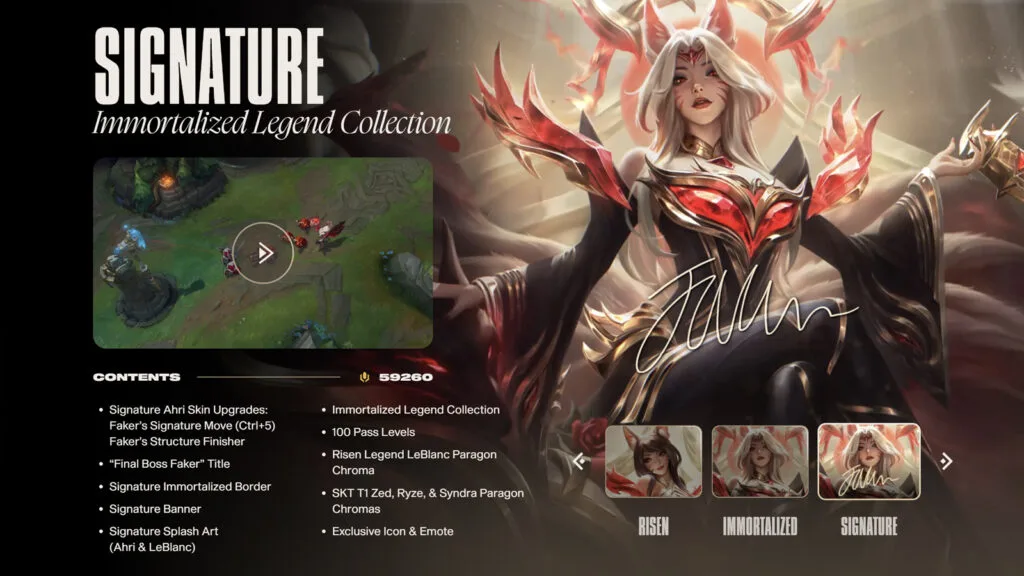
- Signature Champion: Ahri.
- Skin Tiers:
- Risen Legend Ahri: ~$50 bundle, included pass and extras.
- Immortalized Legend Ahri: ~$300 bundle, added major upgrades like visual announcer, Demon King transformations, kill counter.
- Signature Immortalized Ahri: ~$500 bundle, featured Faker-specific items like a “Final Boss Faker” title and signature splash with Ahri and LeBlanc.
- Community Reaction:
- Many criticized the $500 price tag.
- A boycott movement briefly surged, with Ahri’s ban rate spiking to 30%.
- Despite backlash, sales were strong, which confirmed Riot’s pricing model worked.

2025: Uzi Induction
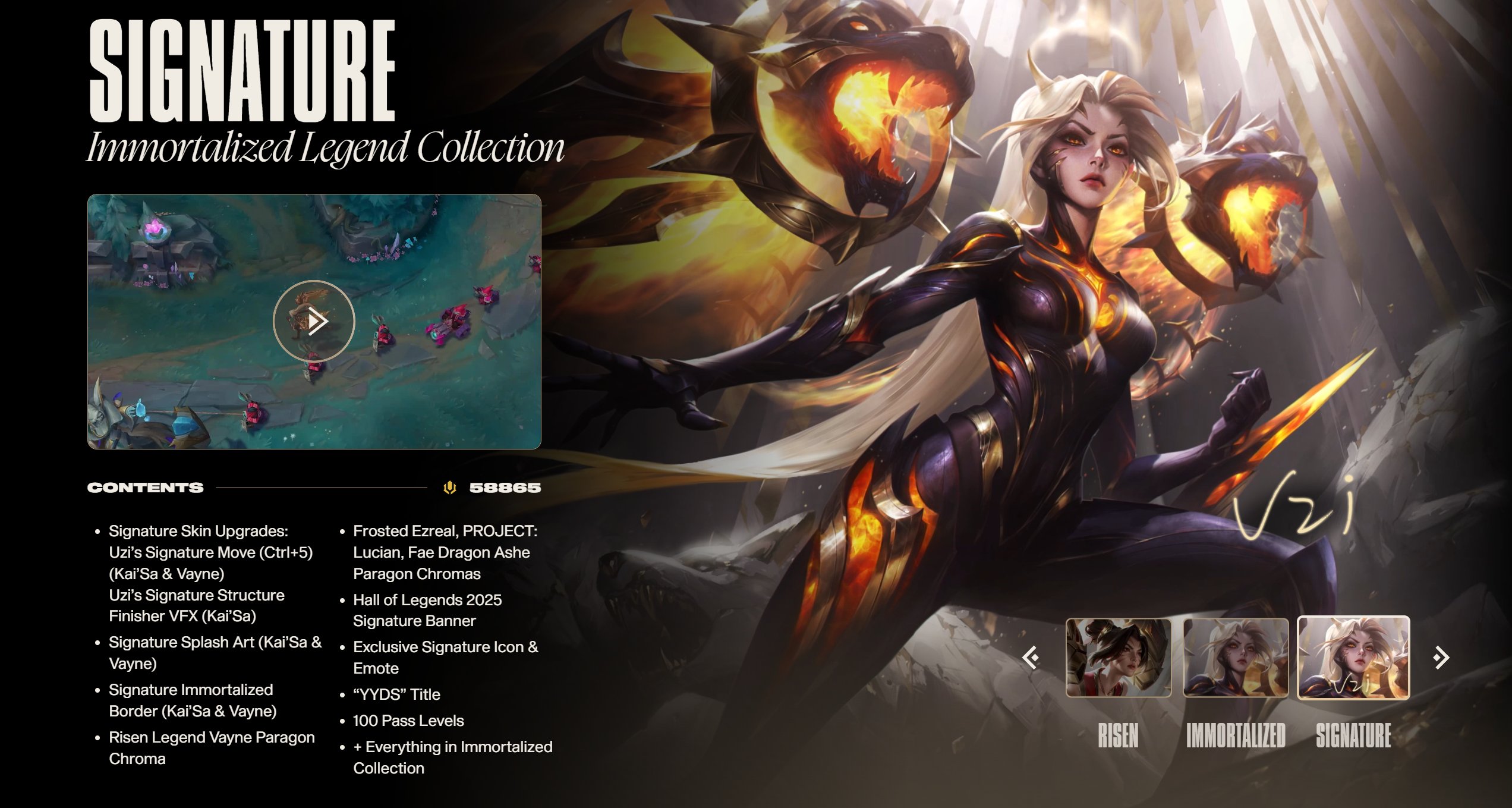
- Signature Champion: Kai’Sa (Immortalized).
- Supporting Champion: Vayne (Risen).
- Skin Pricing:
- Immortalized Legend Kai’Sa: ~32,305 RP ($300).
- Signature Immortalized Add-On: ~26,560 RP.
- Full Package: 58,865 RP ($500).
- Risen Legend Vayne: ~5,035 RP.
- Community Reaction:
- Less backlash compared to Ahri, since the community had already adjusted to the idea of $500 skins.
- Criticism mostly focused on the choice of Kai’Sa instead of Vayne, given Uzi’s history.
- Many saw Risen Vayne as the more authentic tribute, while Kai’Sa was the commercial pick.
Pricing and Collectibility
The Hall of Legends skins are some of the most expensive cosmetics Riot has ever sold. They sit in the Transcendent tier, which Riot markets as collector’s edition items, the idea is to have them sit in the same bracker as other rare lol skins.
Collectibility and Scarcity
These skins are time-limited. Once the event ends, the Immortalized and Signature versions are retired. Riot compares them to past ultra-rare skins like PAX Twisted Fate or Black Alistar.
The pricing strategy isn’t about value—it’s about status. Riot designed these skins to be digital trophies, aimed at whales, collectors, and hardcore fans.
But collectibility is a gamble. Over time, some rare skins might lose value once accounts with them hit resale markets. However if Riot Games is strict about keeping these skins in the vault permanently their value might increase slowly over time. You can read more on about investing in digital items here.
Community Reception and Criticism
Initial Backlash
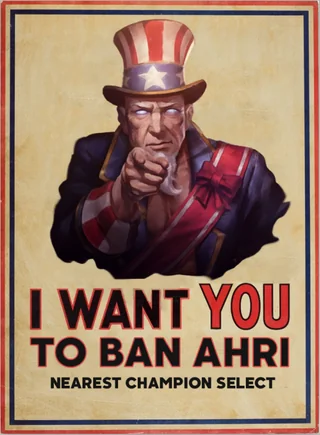
When Immortalized Ahri launched in 2024, the $500 price shocked the community. Reddit threads filled with boycott calls, YouTube videos criticized Riot’s monetization, and Ahri’s ban rate spiked to 30% as protest.
Many argued that pricing a skin at the cost of a mid-range GPU or half a month’s rent was exploitative, especially since Faker himself is known for valuing inclusivity and accessibility.
Normalization by 2025
By the time Kai’Sa’s Immortalized skin dropped in 2025, the outrage was smaller. Players had adjusted to Riot’s strategy. Most criticism focused on champion choice: Uzi was known for Vayne, yet Riot chose Kai’Sa, a more popular and marketable champion.
Main Points of Criticism
- Pricing: Skins marketed as “prestige” but re-use many existing effects.
- FOMO (Fear of Missing Out): Limited-time availability pressures players to spend fast.
- Authenticity: Champion choices don’t always reflect the player’s real legacy (Ahri wasn’t Faker’s most iconic pick, Kai’Sa wasn’t Uzi’s).
Supporters’ View
Not all feedback was negative. Some fans liked the idea of giving legends a permanent mark in-game. For them, the high price felt justified as a tribute. Many also pointed out that Riot wouldn’t keep making these skins if they didn’t sell.
Trivia
- Faker had wanted a T1 Ahri skin as early as 2018, but Riot denied the request since he didn’t play her in pro matches that year. Then after 2023 win he was told to not pick Ahri because they want to make something special for him. The Hall of Legends Ahri finally fulfilled that wish in 2024.
- Uzi’s real legacy is tied to Vayne, but Riot gave her only a Risen skin while pushing Kai’Sa as the Immortalized focus.
- Chromas like Chosen, Mythclimber, and Paragon expand on the mythic lore of the Risen and Immortalized skins.
- The Hall of Legends lore ties each champion to a shard of the gods: LeBlanc with Patience, Vayne with Vigor, Ahri with Harmony, and Kai’Sa with Chaos.
- Immortalized skins are among the few to add custom HUD effects and on-tower kill animations, something not seen in most Legendary or Mythic skins.
See Also
References
FAQ
What is the Hall of Legends in League of Legends?
It’s Riot’s hall of fame for LoL Esports, combined with a premium in-game skin line that celebrates legendary pro players.
Why are Hall of Legends skins so expensive?
They are marketed as collector’s edition items. Immortalized and Signature versions cost around $300–$500, designed for rarity and exclusivity rather than affordability.
Who was the first player inducted into the Hall of Legends?
Lee “Faker” Sang-hyeok in 2024, honored with Immortalized Legend Ahri.
Who was honored in 2025?
Jian “Uzi” Zi-Hao, with Immortalized Legend Kai’Sa and a supporting Risen Legend Vayne.
Can I still buy Hall of Legends skins?
No, they are limited-time. Once the event ends, the Immortalized and Signature bundles are retired, though Riot may re-release them in the future.
Why did Uzi get Kai’Sa instead of Vayne?
Riot chose Kai’Sa for her higher popularity and marketability, even though Uzi is most famous for playing Vayne. Vayne still received a Risen skin as part of the event.